
M320 T Surgical Training Microscope
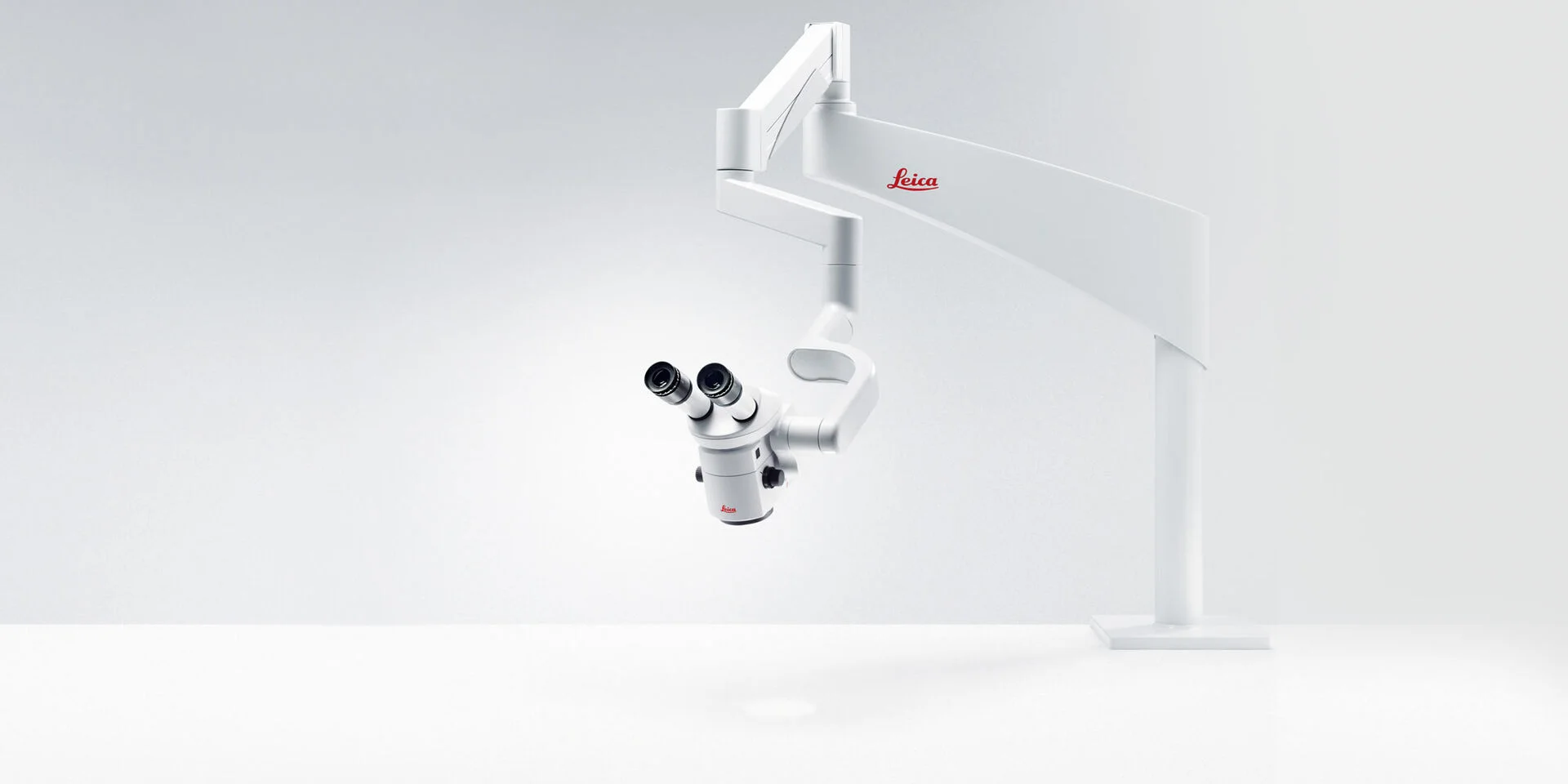
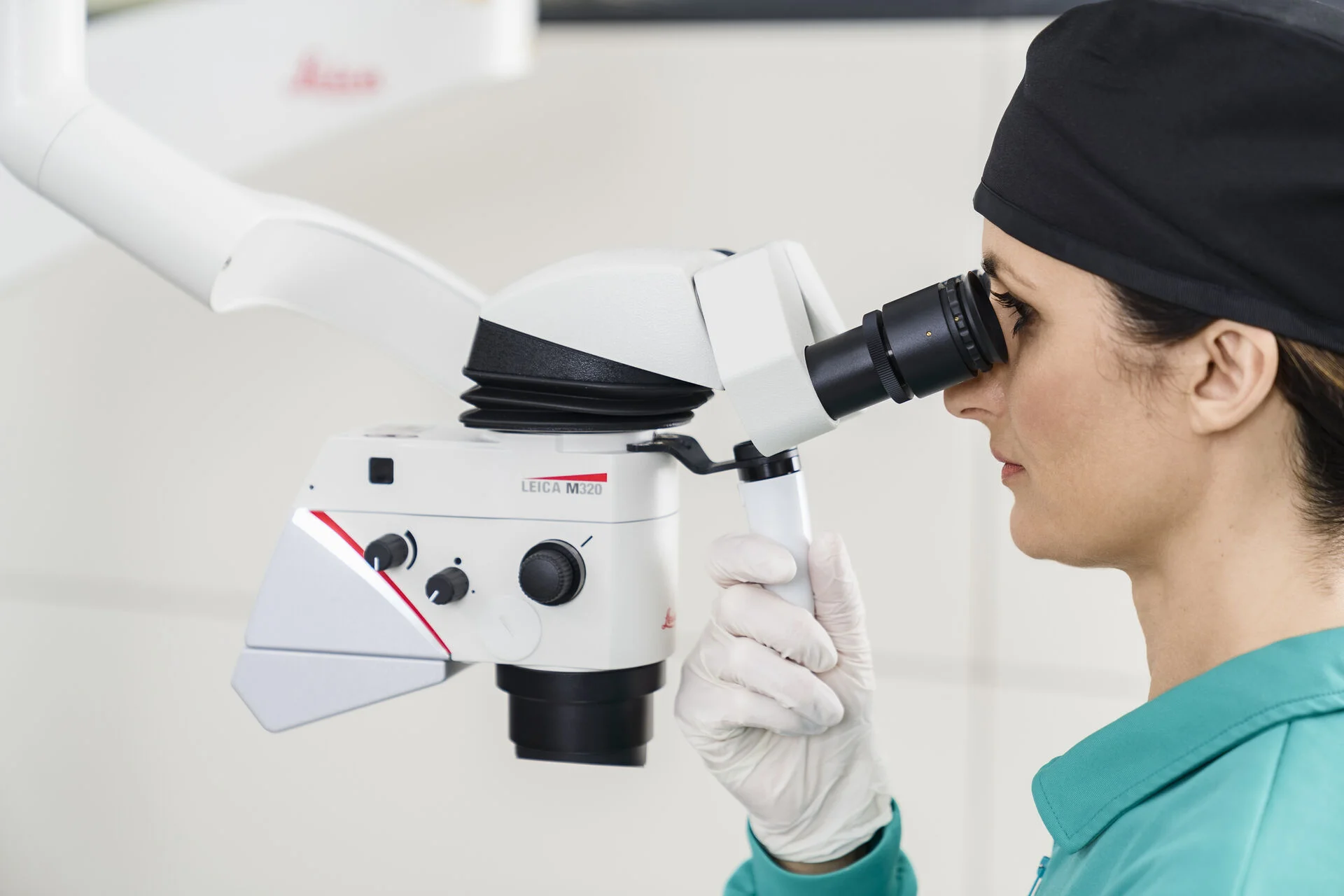
As a medical trainer, you watch your students develop and hone their skills every day. The M320 surgical training microscope can help you keep optimizing your training methods to create an effective learning experience for your students. You and your students benefit from an integrated 4K camera for brilliant images and technology that enables you to share your knowledge easily.
Laying the foundation for surgical proficiency
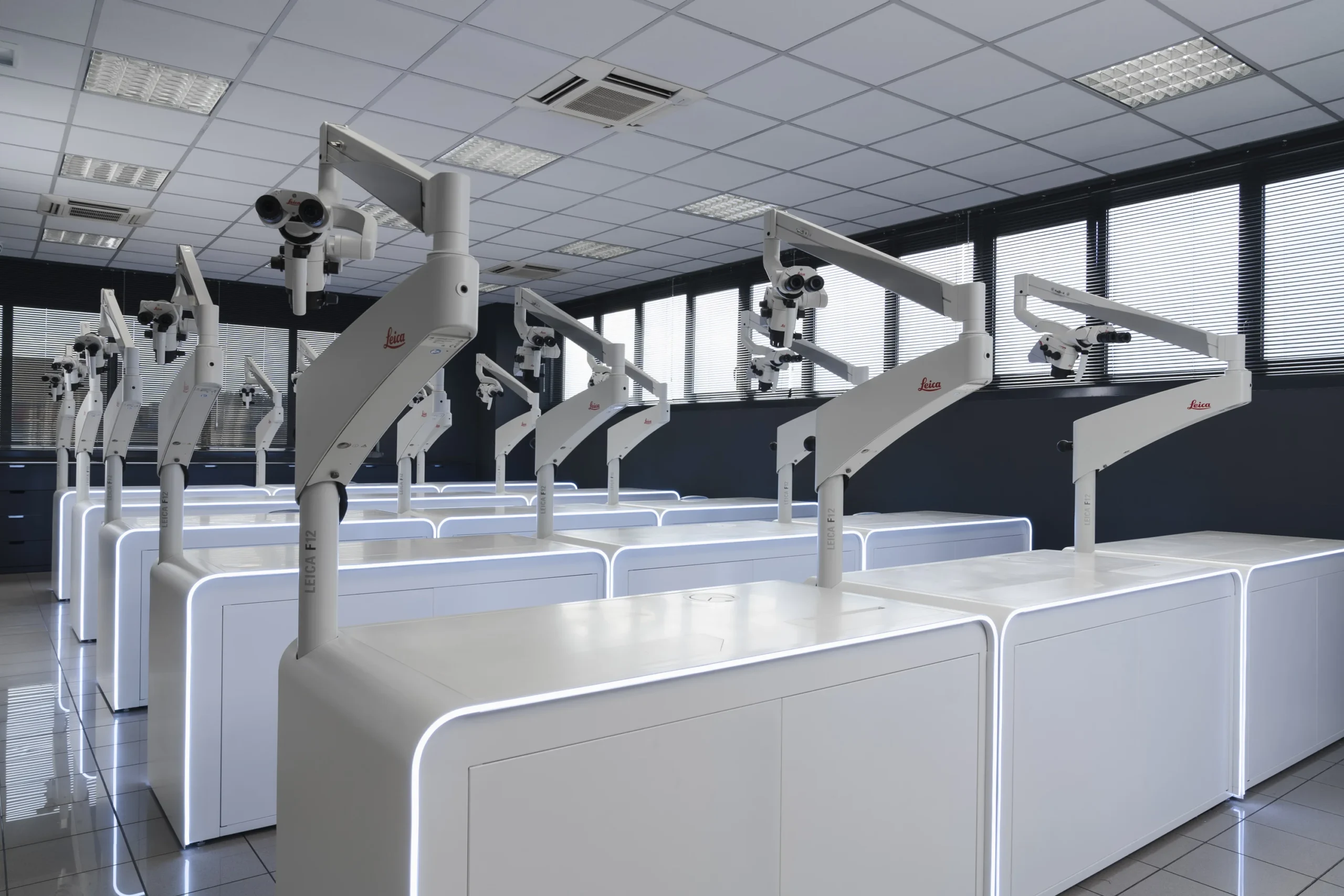
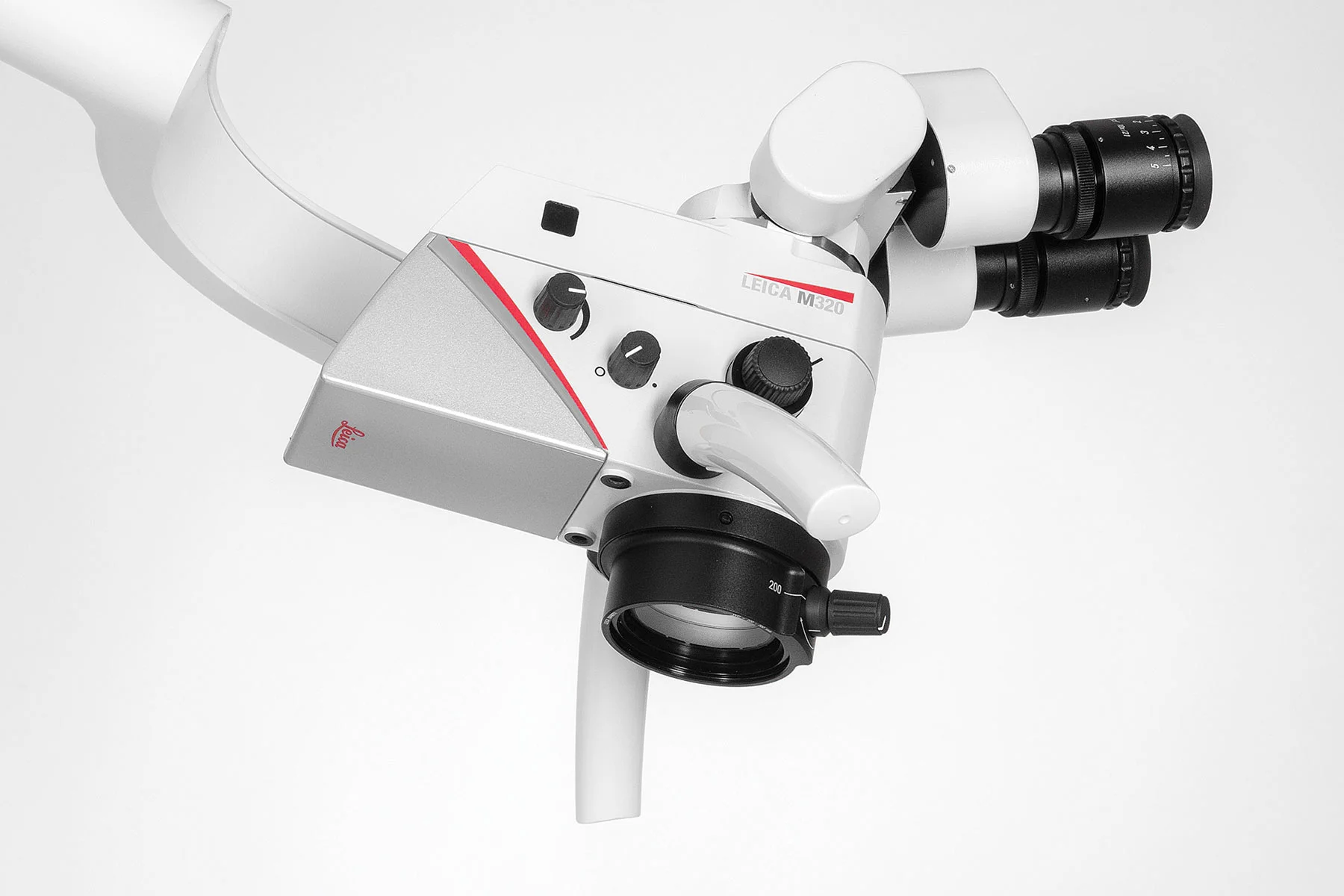
The M320 is available in various configurations with a choice of ergonomic accessories, allowing you to flexibly design your ideal training space.
Info
Efficient training of surgical skills
Learning to operate a microscope starts with the basics: maneuvering it and applying magnification and illumination correctly.
Mastering fine manual motor skills is a second step which is crucial. Disciplines such as neurosurgery, otolaryngology, plastic and reconstructive surgery, as well as dentistry require extensive training in microsurgical skills during medical school and beyond:
-Training of the hand-eye coordination under magnification
-Practicing sophisticated microsurgical skills such as controlled micromovements, which are very time- consuming to learn
Make learning an experience
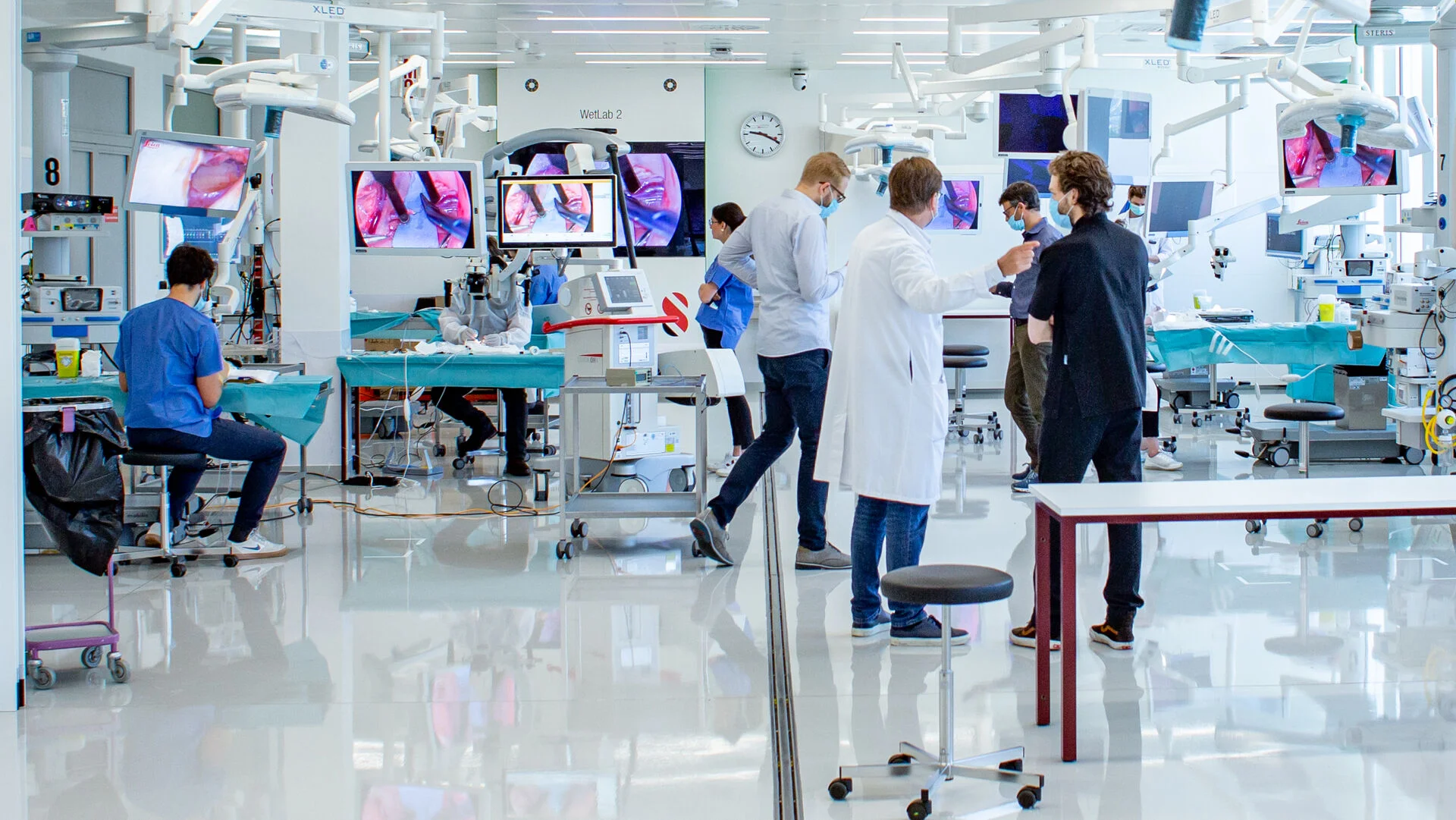
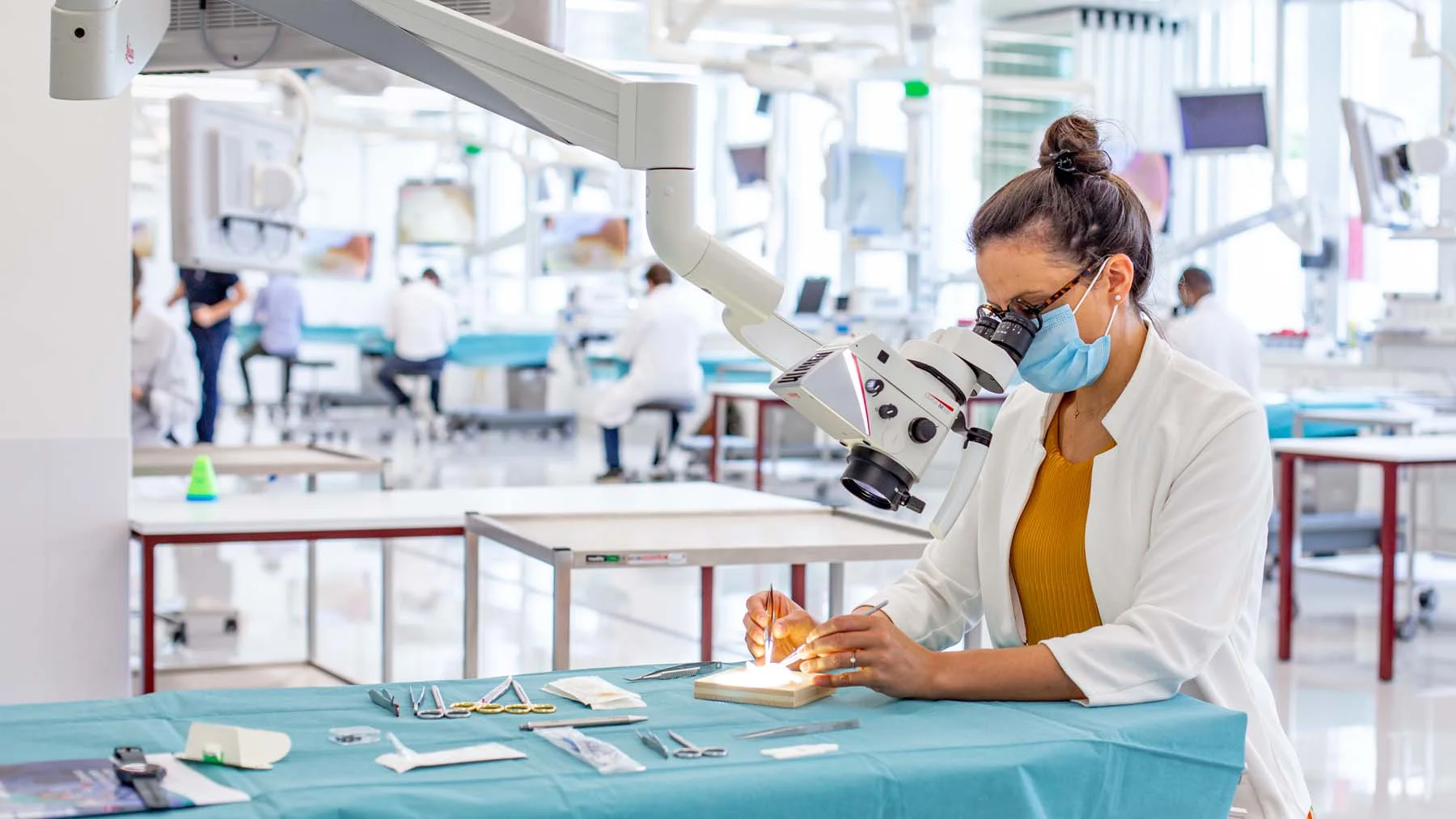
Hands-on training with the M320 surgical training microscope allows students to learn, practice, and refine surgical skills.
Working on specimen, they experience the three-dimensional nature of human anatomy and anatomical functional structures as well as their proportions.
Students learn to
- recognize finest anatomical details in a three-dimensional image with great depth perception
- differentiate between tissues easily thanks to clear, bright, true-to-life color visualization
- navigate the surgical site and maneuver surgical instruments safely especially in cavities thanks to the bright LED illumination
- improve accuracy and precision in surgical procedures, such as drilling, dissecting, and suturing, thus gaining confidence
See exactly what you need to see
The M320 makes microscope training a revelation. Students see exactly what they need to see: a crisp, bright, true-color image with impressive depth of field, thanks to the high- quality apochromatic optics and double LED illumination of the M320 surgical training microscope.
Even in deep or narrow cavities, students can see minute anatomical details, so that they can apply their skills precisely.
Additionally, students get a feeling for the workflow of a surgical procedure using the optional 5-step magnification changer which helps minimize workflow interruption.
Focus effortlessly
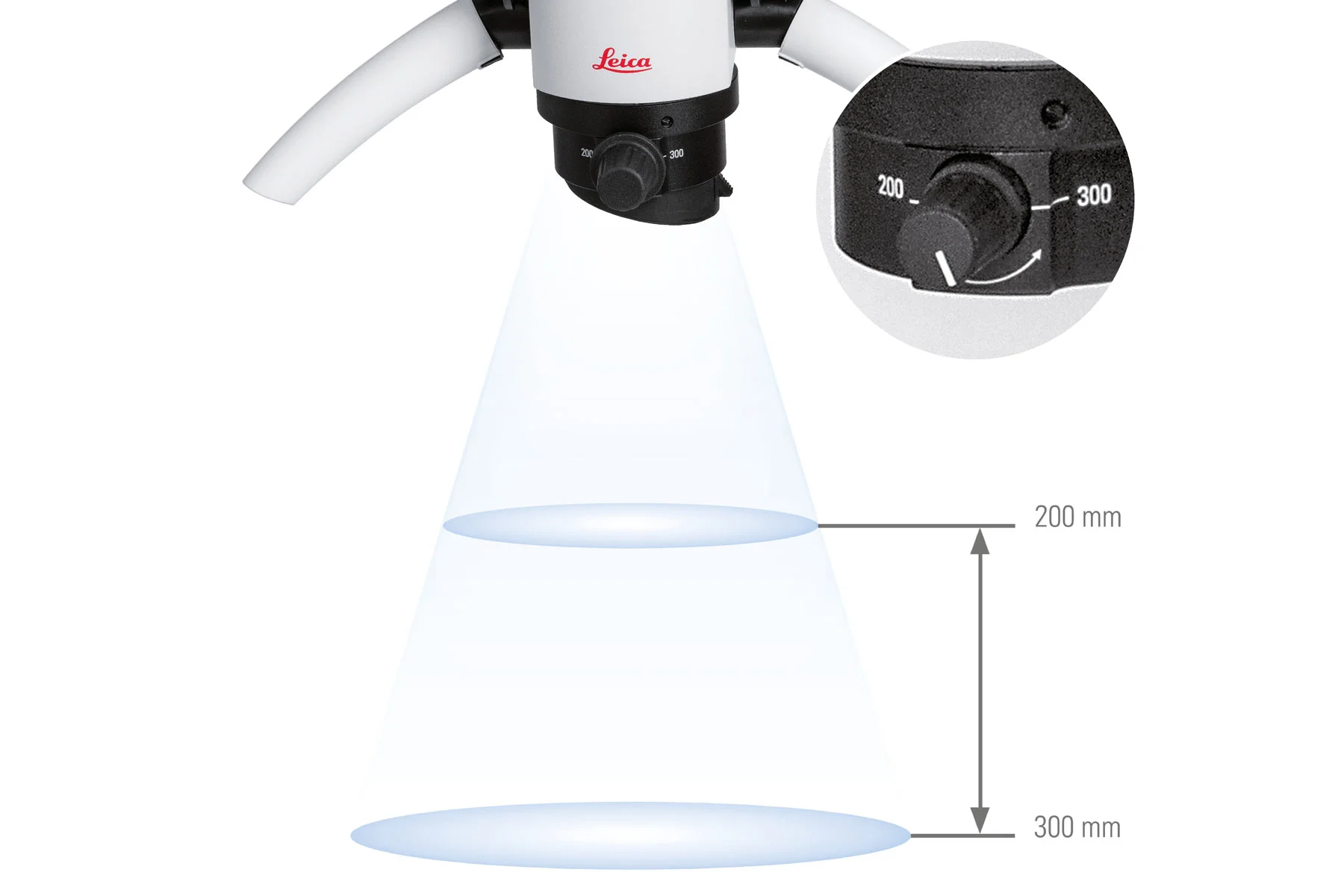
With the optional M320 MultiFoc objective from Leica Microsystems, students can effortlessly vary the working distance within the range of 200 mm to 300 mm with micro-movements of the adjustment knob.
This enables students to set up their work station quickly and also supports workflow during sessions: If trainees need to spend less time and effort on adjusting their microscopes, they can better concentrate on the lessons and follow the training more closely.